 By Isaac Axel
The commercial fitness industry has long relied on standardized, template-driven program design. For decades, the average enthusiast seeking structure had to choose between generic online exercise routines or expensive personal training sessions that cost hundreds of dollars per month. These traditional structures frequently fail to yield long-term success due to a lack of scalability or true personalization. A program designed for a broad demographic cannot account for the subtle physiological, environmental, and behavioral differences that dictate an individual’s actual progress.
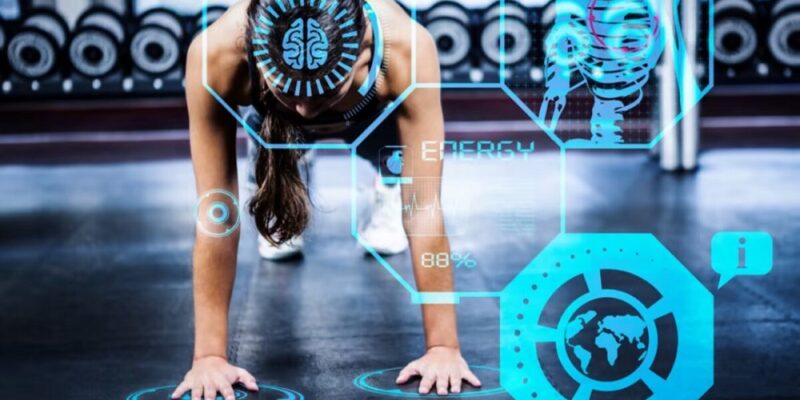
This model is being fundamentally disrupted by artificial intelligence. By using advanced data analytics, predictive algorithms, and continuous machine learning models, AI is shifting fitness away from generic guidance and moving it toward deeply hyper-personalized coaching ecosystems. This technological evolution democratizes elite-level programming, making real-time, custom-tailored fitness strategies accessible to anyone with a smartphone or a wearable tracking device
Moving Beyond Static Data and Static Workouts
First-generation fitness applications were essentially digital logbooks. They required users to enter their weight, age, and broad goals, after which the application would output a pre-written, fixed workout plan. These static programs lacked the ability to respond to change. If a user experienced excessive muscle soreness, didn’t sleep well, or had limited gym equipment on a specific afternoon, the software could not adjust.
Modern artificial intelligence operates dynamically. Rather than relying on simple, isolated data points, AI algorithms analyze massive, interconnected data streams. By syncing with biometric sensors found in modern smartwatches and rings, an AI fitness coach continuously tracks variables such as resting heart rate, heart rate variability, sleep stage distribution, and daily physical activity levels.
When an AI engine processes this data, it gains an understanding of the user’s readiness to perform. For instance, if an individual’s sleep efficiency drops significantly and their heart rate variability signals systemic fatigue, the AI coach will modify that day’s scheduled high-intensity weightlifting routine into a restorative, low-impact mobility protocol. This real-time adaptability minimizes the risks of overtraining, fatigue accumulation, and structural injury, keeping the user on a safer path to progress.
Real-Time Kinetic Feedback Through Computer Vision
One of the largest historical arguments against digital fitness programs was the lack of direct movement supervision. Without a human trainer physically present to watch a client’s posture, weight distribution, and joint angles, users risked performing complex compound exercises incorrectly. This lack of technique evaluation often resulted in diminished exercise mechanics and increased rates of injury.
Computer vision has closed this gap entirely. By using the standard camera lenses built into modern smartphones, tablets, or home gym mirrors, AI-enabled software can map the human body in real time.
-
Skeletal Tracking: The AI constructs an invisible skeletal overlay across the user’s body, tracking dozens of key anatomical landmarks such as the shoulders, elbows, hips, knees, and ankles.
-
Angle and Depth Analysis: During a movement like a barbell squat or a deadlift, the software calculates joint angles and tracking patterns instantly.
-
Audio-Visual Cueing: If the user’s knees begin to cave inward or their spinal alignment rounds prematurely under load, the AI coach delivers instant audio and visual adjustments. It may say, Drive your knees outward, or Keep your chest upright, providing the exact corrections a physical coach would offer.
This capacity for automated movement analysis ensures that users learn proper kinetic patterns early in their fitness journey. It instills structural safety and movement confidence without requiring the physical presence of a specialist.
Predictive Nutrition and Metabolic Calibration
True fitness success is deeply tethered to nutritional consistency. However, managing macronutrient targets, caloric intake, and meal timing remains one of the most frustrating obstacles for fitness enthusiasts. Traditional nutrition coaching relies on rigid caloric goals calculated using generic formulas that often fail to accurately match a person’s unique metabolic profile.
AI alters this dynamic by transforming nutrition tracking into a responsive, learning system. When a user logs their food intake and combines that information with data from activity trackers, the AI begins to isolate the individual’s specific metabolic rate.
As the user’s lean body mass composition shifts or their daily energy expenditures change, the algorithm updates their macro-nutritional profiles automatically. If weight loss stalls or muscle hypertrophy plateaus, the system does not guess. It assesses the precise deficits or surpluses required based on historical trends, and then updates the user’s weekly meal recommendations. This continuous refinement removes the frustration of trial-and-error out of nutritional planning, creating sustainable dietary frameworks that adapt alongside a person’s evolving biology.
Cognitive Behavioral Insights and Intentional Accountability
The greatest barrier to achieving long-term physical transformation is not a lack of training knowledge, but a lack of psychological consistency. Human personal trainers often excel because they provide direct accountability, emotional support, and motivation. Historically, software engines struggled to duplicate this human element, often sending automated notifications that users eventually ignored.
Modern AI fitness systems are bridging this psychological gap through machine learning models that analyze user engagement patterns. By studying exactly when a user opens an application, how quickly they log workouts, and which specific variables cause them to skip sessions, the AI builds a behavioral profile.
If the algorithm notes that a user is highly likely to skip an evening workout whenever their work calendar indicates a stressful day, it changes its communication strategy. It might suggest a shorter, fifteen-minute de-stressing routine during lunch, or shift the weekly schedule to make the evening easier. By tailoring the tone, timing, and substance of its interactions, the AI evolves from an annoying digital notification into a supportive advisor, driving long-term habit formation through empathetic automation.
The Hybrid Ecosystem: Augmenting Human Coaching
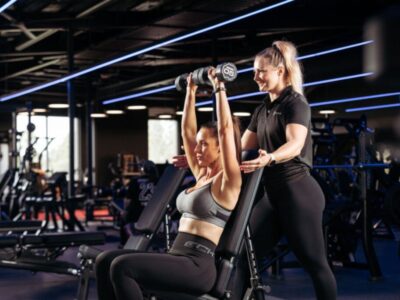
The rise of artificial intelligence does not signal the eradication of human personal trainers. Instead, it is shifting the industry toward a highly effective hybrid coaching model.
In this structure, human trainers use AI software as an advanced analytical platform. The AI manages the time-consuming administrative work of fitness coaching: parsing through hours of sleep data, calculating calorie requirements, and tracking workout logs. This optimization frees human coaches to focus on what they do best: building deep emotional connections, managing complex psychological barriers, and offering nuanced support during difficult periods of a client’s life. By combining human empathy with machine precision, this hybrid approach creates an ultra-premium, deeply supportive coaching ecosystem that was previously impossible to execute at scale.
Frequently Asked Questions
Can AI fitness platforms reliably design safe exercise programs for individuals recovering from serious injuries?
AI platforms can design post-recovery routines, but they require detailed medical inputs to do so safely. Advanced systems allow users to enter specific clinical restrictions or upload physical therapy protocols, which the algorithm uses to filter out potentially harmful movements and prioritize low-risk, rehabilitative exercises.
How do AI algorithms differentiate between genuine muscle fatigue and simple psychological laziness?
AI systems determine physical fatigue by evaluating objective physiological markers such as heart rate variability, changes in resting heart rate, and drops in bar velocity or rep speed during a workout. If biometric trends remain normal but a user reports feeling unmotivated, the system recognizes this as a psychological hurdle rather than systemic physical overtraining.
How does an AI fitness coach handle changes in gym environments, such as traveling or working out at home?
When a user changes locations, they can input their available equipment into the platform, selecting options ranging from a full commercial facility to basic resistance bands or bodyweight only. The AI restructures the planned workout instantly, substituting exercises to target the same muscle groups using only the tools available.
What mechanism does AI use to prevent a user from plateauing during a long-term strength program?
AI systems prevent plateaus through automated progressive overload management. By tracking parameters like volume, intensity, and relative perceived exertion over several weeks, the algorithm calculates exactly when a user’s muscles have adapted to a stimulus, triggering automatic increases in weight, repetitions, or set volume.
Can AI fitness coaching accurately adjust for female hormonal shifts and menstrual cycle phases?
Yes, modern AI coaches can track the distinct phases of the menstrual cycle to optimize training. During phases characterized by higher systemic inflammation or lower energy availability, the algorithm dials back high-intensity volume and emphasizes recovery, while maximizing training loads during high-energy hormonal windows.
How secure is the biometric and health data that users share with AI fitness applications?
Reputable AI fitness platforms secure user data by utilizing advanced encryption protocols, cloud servers that comply with modern privacy standards, and strict data de-identification methods. Users maintain control over their data permissions, allowing them to choose exactly what biometric information is shared between their tracking hardware and the coaching engine.