 By Isaac Axel
A herniated disc can affect more than the area of the spine where it develops. A person may start with lower back or neck discomfort, then notice pain moving into a leg or arm, changes in strength or trouble completing ordinary tasks. Dr. Larry Davidson, a board-certified neurosurgeon with fellowship training in complex spinal surgery, points to the importance of reviewing these symptoms by looking at pain, movement, and nerve function together.
Daily function is often where patients first recognize that a disc problem has become more disruptive. That effect may grow slowly and gradually become easier to miss. Sitting through work, standing at a counter, walking through a store or sleeping through the night may become difficult. Understanding how a herniated disc affects routine activity can help patients describe symptoms more clearly and seek care before movement becomes limited.
What Happens When a Disc Herniates
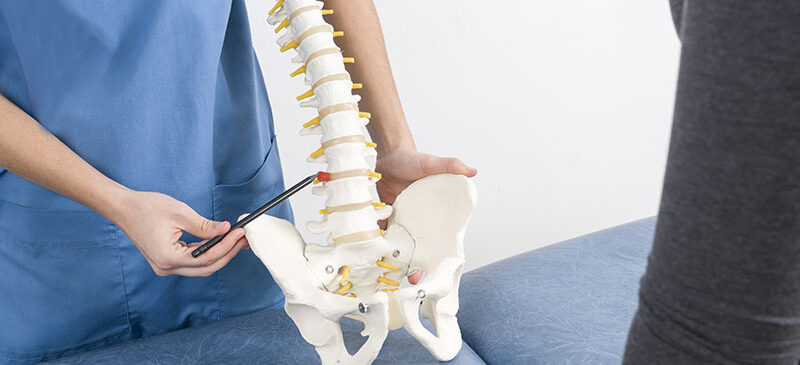
Spinal discs sit between the vertebrae and help absorb pressure during movement. Each disc has a tougher outer layer and a softer center. A herniation occurs when part of the inner material pushes through a weakened area, sometimes pressing near a nerve root.
Not every herniated disc causes symptoms. Some appear on imaging without major pain or loss of function. Symptoms become more important when the herniation irritates nearby nerves or creates inflammation. That irritation can send pain away from the spine and into areas controlled by the affected nerve.
Why Symptoms May Travel
A herniated disc in the lower back may cause pain in the buttock, thigh, calf or foot. A herniated disc in the neck may cause pain in the shoulder, arm, or hand. This happens because spinal nerves travel from the spine into the limbs.
Traveling pain often feels different from ordinary soreness. Patients may describe burning, tingling, numbness, shooting pain or an electric sensation. These symptoms can appear when sitting, bending, or turning the neck. The path of the pain can help clinicians identify which nerve may be involved.
How Sitting and Standing Can Change
Herniated discs can make sitting uncomfortable, especially when the lower back is involved. Sitting may increase pressure on the disc and worsen pain that travels into the leg. Some patients shift often, stand during meetings, or avoid long car rides because symptoms build over time.
Standing can also become difficult, depending on the disc location and the degree of nerve irritation. A person may lean to one side, avoid standing fully upright or need frequent breaks during simple tasks. These changes may seem small at first, but they can affect work, errands, and home responsibilities.
When Walking Becomes Harder
Walking can reveal how much a herniated disc affects function. A patient may notice that leg pain appears after a short distance or that one leg feels heavy, weak, or less coordinated. In some cases, the foot may drag, or the person may stumble more than usual.
Dr. Larry Davidson has observed, “In the lumbar spine, a large herniated disc causing something like foot drop is another situation where prompt surgery matters.” This does not mean every herniated disc requires surgery, but new weakness should be reviewed promptly because it may signal that nerve function is at risk.
The Effect on Work and Household Tasks
Daily responsibilities often bring disc symptoms into focus. Lifting laundry, carrying groceries, reaching overhead, sitting at a desk or driving may trigger pain. Tasks that once felt routine may require planning, pacing or help from others. This can affect independence and confidence.
Work demands can also become harder to manage. Jobs that require lifting, bending, prolonged sitting, or repeated movement may aggravate symptoms. Even desk work can be difficult when pain travels into the leg or arm. A care plan may need to address symptom control and safe ways to stay active.
Why Imaging is Only Part of the Answer
An MRI can show where a disc herniation is located and whether it is near a nerve. This information can be useful when symptoms are severe, persistent, or linked to weakness. Still, the image alone does not explain the full effect on a patient’s life.
Clinicians usually compare imaging with symptoms, physical exam findings, and daily limitations. A disc finding becomes more meaningful when it matches the patient’s pain pattern and neurologic changes. This helps avoid treatment based only on a scan and supports decisions tied to function.
Conservative Care and Functional Goals
Many herniated disc symptoms improve without surgery. Conservative care may include physical therapy, medication, activity changes, or targeted injections. These steps aim to reduce inflammation, calm nerve irritation, and help the patient return to safer movement.
Functional goals can help track progress. Instead of focusing only on pain level, patients may measure whether they can walk farther, sit longer, sleep better, or return to daily tasks with fewer breaks. Progress may be gradual, but functional gains often show that treatment is helping.
Knowing When to Seek Care
Patients should seek prompt care for new or worsening weakness, loss of bladder or bowel control, numbness in the groin area, or trouble walking. These symptoms may point to serious nerve compression. Severe pain after trauma or symptoms that rapidly progress also deserve urgent review.
Other symptoms may not be emergencies, but still need evaluation. Pain that travels into the arm or leg, numbness that becomes more frequent, or limitations that interfere with work and daily life should not be ignored. A timely review can help clarify the cause and guide the next step.
Looking Beyond Pain to Daily Function
A herniated disc can affect movement, sleep, work, independence, and emotional well-being. Patients may first think about pain, but function often tells the larger story. When routine tasks become difficult, the condition deserves careful attention.
The right treatment depends on the full clinical picture. Some patients improve with conservative care and time, while others need closer monitoring when nerve function is affected. Clear communication about symptoms, strength, mobility, and daily limits can help patients and clinicians make better care decisions.