 By Isaac Axel
Key Takeaways
A stunning smile can truly change someone’s life. It boosts confidence, lifts self-esteem, and enriches social interactions. Research shows that those with straight teeth are often viewed as more attractive and credible.
Numerous types of braces are available today—metal, ceramic, lingual, and Invisalign—each catering to various preferences and orthodontic requirements.
By choosing dental braces in Adelaide, clients benefit from local expertise, enabling orthodontists to design tailored treatment plans that align with regional dental health trends and day-to-day lifestyles.
The initial consultation is a pivotal step in setting realistic expectations. It typically includes an assessment of dental health through digital imaging and impressions, laying the groundwork for customized treatment plans.
Duration of treatment may differ based on several factors, including age, type of braces used, and how well clients adhere to guidelines. Complex dental issues generally require an extended adjustment period.
Braces serve the dual purpose of enhancing aesthetics while also improving long-term oral health by promoting better hygiene and lowering the risk of dental issues.
Today’s innovative orthodontic techniques minimize discomfort during treatment, and patients are encouraged to uphold comfort at home through appropriate care and dietary choices.
Why Choose Dental Braces in Adelaide for a Confident Smile
The Life-Changing Impact of a Perfect Smile
A captivating smile holds the potential to transform one’s life. When individuals feel good about their appearance, every interaction feels different. It’s a crucial element for self-esteem and general well-being. Who wouldn’t want to smile openly without the anxiety of crooked teeth ruining an enjoyable moment? The real impact of a perfect smile is often underestimated, yet studies reveal that people with straight teeth are more frequently perceived as attractive, successful, and dependable.
Braces not only elevate special occasions and regular interactions but also have lasting effects on mental health. A remarkable smile fosters confidence in public speaking, engages social exchanges, and may even facilitate career growth. It’s vital for anyone considering braces to understand that the pursuit of a perfect smile transcends vanity—it’s about personal empowerment.
Understanding the Different Types of Braces Available
The field of orthodontics presents a broad selection of braces. This diversity caters to the varying needs and preferences of clients. Grasping these options is essential for anyone aiming to refine their smile, whether facing minor concerns or significant misalignments.
- Metal Braces: Time-tested and highly effective, these provide a robust solution for all teeth-straightening requirements.
- Ceramic Braces: Designed to match the tooth color, they blend in well, appealing to many adults.
- Lingual Braces: Placed behind the teeth, they offer invisible treatment, making them a great choice for those who prioritize appearance.
- Invisalign: This system consists of clear, removable aligners that provide flexibility and comfort.
Each brace type has unique benefits. Professionals typically recommend options tailored to the client’s specific dental situation, lifestyle, and treatment objectives. This is where local expertise truly shines.
Why Local Expertise in Adelaide Matters
Selecting dental braces in Adelaide enables clients to collaborate with experts who possess a deep understanding of the local populace’s specific characteristics. Familiarity with regional aspects—like prevalent dental health concerns, eating habits, and lifestyle patterns—can enhance treatment plans and outcomes.
An orthodontist operating locally offers personalized care that integrates these nuanced yet crucial factors. They can suggest braces options explicitly tailored to patients from Adelaide, streamlining the treatment journey. It’s about more than just aligning teeth; it’s about nurturing a lasting relationship between the patient and their orthodontist.
Working through the Dental Braces Process: What to Expect
The Initial Consultation: Setting Expectations and Goals
The path to an extraordinary smile starts at the initial consultation. This meeting allows the orthodontist to evaluate the client’s dental health and discuss any concerns. Clarifying expectations is key in this stage. Clients often ask: What outcomes are they aiming for? How long is the treatment expected to last?
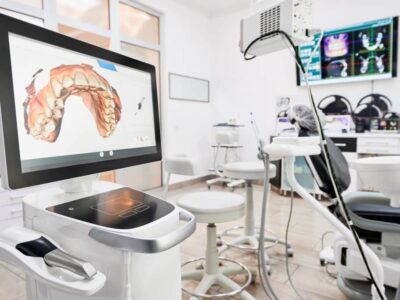
This consultation often involves capturing digital images, X-rays, and impressions of the teeth, which lay the foundation for customized treatment plans. Understanding the potential treatments helps clients envision their progress. Equipped with knowledge, they can make decisions that align with their own goals.
Step-by-Step Journey from Fitting to Final Results
After establishing the treatment plan, it’s time for clients to get fitted with the chosen braces. This moment can invoke both excitement and anxiety. There’s undeniably a change occurring. However, professionals encourage embracing this transformation. Although the adjustment period may come with some discomfort, this sensation is temporary.
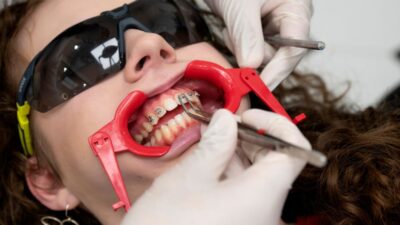
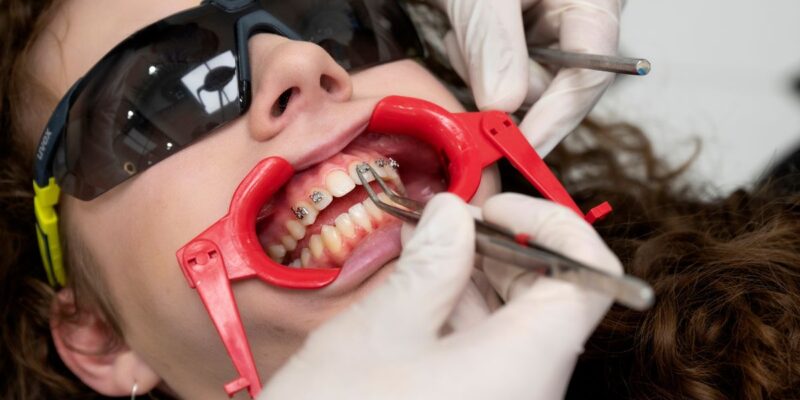
- Fitting: This process includes attaching brackets and wires, setting the stage for an enduring treatment journey.
- Regular Adjustments: Clients typically have appointments every 4-8 weeks as teeth gradually shift to their desired positions.
- Monitoring Progress: Between adjustments, the orthodontist will assess how effectively the braces are working and make necessary tweaks.
- Final Removal: Once the teeth are properly aligned, the braces are removed, unveiling the stunning outcome.
Every client’s journey is distinct, but this general outline is applicable to most. Anticipation builds as clients notice improvements along the way.
Managing Treatment Time: Factors That Influence Duration
Several elements can affect how long treatment lasts. It’s common for clients to wonder why treatment times can vary. Complexity of dental issues plays a significant role. For example, problems like crowding, spacing, or misaligned bites may require a longer treatment timeline.
Other factors include:
- Age: Younger clients often experience swifter progress owing to ongoing jaw growth.
- Type of Braces: Some options, such as Invisalign, might expedite treatment.
- Patient Compliance: Adhering to the orthodontist’s recommendations has a direct influence on timelines.
Braces demand commitment, but the eventual results make the patience worthwhile. Each person’s journey is unique, bolstered by the personalized care that local clinics provide.
Real Results: Powerful Success Stories from Adelaide
Before and After: Visual Testimonials that Inspire
The transformative power of braces comes to life through compelling before and after photographs. Many patients look back at their past selves and hardly recognize who they were. Numerous orthodontists in Adelaide maintain galleries to showcase such impressive transformations.
“A smile is the prettiest thing you can wear.” This sentiment holds more weight when supported by these inspiring transformation narratives.
Seeing tangible results generates excitement. These outcomes reflect the effectiveness of braces in achieving not only aesthetic goals but also in enhancing overall confidence.
Industry Insights: Expert Opinions on Treatment Efficacy
Orthodontic professionals unanimously acknowledge the impressive effects of braces. Modern treatment strategies, paired with cutting-edge technology, often yield remarkable results. Research from leading orthodontists emphasizes that individuals of all ages can greatly benefit from braces, improving both their appearance and oral health.
Braces correct alignment issues, contributing to:
- Improved Oral Hygiene: Straight teeth are easier to clean, thus reducing cavity risks.
- Reduced Wear: Properly aligned teeth wear evenly, mitigating potential dental complications later on.
- Enhanced Speech: Correcting alignment can help resolve speech issues caused by dental misalignments.
Clearly, dental braces are a potent tool for improvement across multiple fronts.
How Braces Enhance Overall Dental Health
Beyond improving looks, braces play a significant role in ensuring long-term oral health. Misaligned teeth can lead to a variety of complications over time. Neglecting orthodontic problems can result in wear and increased susceptibility to gum diseases.
Braces enhance overall dental hygiene, aligning the surfaces used for chewing and thus making regular brushing and flossing more effective. This proactive approach helps to lessen discomfort while promoting emotional health. Exploring the benefits of braces goes beyond mere aesthetics—it’s all about maintaining good oral health for a lifetime.
Maximizing Comfort and Minimizing Discomfort During Treatment
Innovative Techniques to Reduce Pain and Friction
There’s a common myth that wearing braces equates to perpetual pain. In reality, advancements in orthodontic technology are aimed at enhancing patient comfort. Numerous clinics embrace modern techniques that are tailored to lessen discomfort during treatments. For instance, the newer, smaller brackets inflict less friction on the teeth.
Additionally, improvements in dental adhesives serve to minimize soreness. This commitment to patient comfort means adjustments can be made with significantly less discomfort compared to previous methods.
Essential Care Tips for Maintaining Comfort at Home
Effective home care also boosts comfort levels during treatment. Clients are urged to adopt habits that make their orthodontic experience easier. A few key tips include:
- Choosing Soft Foods: Opting for easily processed foods like mashed potatoes or smoothies can reduce discomfort.
- Using Orthodontic Wax: This helps protect cheeks and gums from irritation caused by the braces.
- Regular Oral Hygiene: Brushing and flossing after every meal can keep discomfort to a minimum.
Implementing these straightforward practices can dramatically enhance the treatment experience, allowing clients to focus more on their journey rather than on discomfort.
When to Consult Your Orthodontist: Signs of Concern
Maintaining open lines of communication with an orthodontist is essential. Clients should feel empowered to voice any concerns during their treatment process. Some warning signs that merit a consultation include:
- Excessive Pain: When pain exceeds typical levels.
- Loose Brackets or Wires: Prompt attention is required to prevent further issues.
- Difficulty Swallowing or Speaking: Any communication challenges should be assessed quickly.
Timely consultations not only provide reassurance but also ensure the treatment stays on track. The commitment to oral health is a collaborative effort between clients and their orthodontist.
In Adelaide, dental braces symbolize much more than merely aligning teeth. They represent a journey toward empowerment and health. Understanding all elements—from the myriad benefits to comfort techniques—can smooth the path, ultimately leading to satisfaction with a radiant smile.
FAQ
What age is ideal for getting braces?
The appropriate age for braces varies, but many orthodontists recommend early intervention around age 7 for children. This allows for close monitoring of dental development. Adults can also achieve effective results with braces at any age.
How much do braces typically cost in Adelaide?
Brace costs in Adelaide can vary significantly based on the type of braces and the complexities of the case. Often, traditional metal braces are more budget-friendly compared to options like Invisalign or lingual braces. It’s advisable for clients to consult directly with orthodontists for accurate estimates.
How often will one need to visit the orthodontist during treatment?
Regular visits to the orthodontist typically occur every 4-8 weeks during treatment. These appointments are crucial for adjustments and tracking progress. Sticking to the schedule ensures that treatment remains on course and objectives are met efficiently.
Will braces impact oral hygiene routines?
Yes, braces can complicate brushing and flossing routines, yet they shouldn’t deter clients from upholding excellent oral hygiene. With appropriate techniques and tools designed for orthodontic care, maintaining dental health is entirely manageable throughout the treatment.
How do braces affect speech?
Initially, braces might alter speech patterns as clients adjust to the new appliances. However, for most, any changes are temporary and adjustment happens quickly. If discomfort persists, consultation with the orthodontist may provide solutions to minimize concerns.
Are there any dietary restrictions while wearing braces?
Indeed, clients are often advised to avoid hard or sticky foods that could damage the braces or increase discomfort. Specifically, foods like popcorn, gum, and hard candies are generally not recommended. Opting for a softer diet during treatment may help mitigate potential complications.
How can one manage discomfort after getting braces?
Experiencing discomfort following the fitting of braces is commonplace, but it can be effectively managed. Clients may turn to over-the-counter pain relievers and apply orthodontic wax to alleviate irritation from brackets. Warm saltwater rinses can also soothe sore gums during the adjustment phase.
Is it necessary to wear a retainer after braces are removed?
Absolutely, wearing a retainer post-braces is critical in preventing teeth from shifting back to their original positions. Orthodontists usually recommend a retainer for a specific period depending on individual needs. This helps ensure that the investment in achieving a perfect smile endures for years to come.
Useful Resources
- American Association of Orthodontists– A reliable source for orthodontic information, treatment options, and locating qualified orthodontists.
- American Dental Association– Comprehensive resources on oral health, dental care, and orthodontics.
- org– Offers insights into various types of braces, care advice, and patient testimonials.
- One Eighty Orthodontics– Provides information on a range of orthodontic treatments and the latest technologies related to braces.
- Invisalign– The official site for Invisalign treatment, including FAQs and details about how clear aligners function.
- WebMD – Orthodontics– Articles and guides that explore braces, dental health, and how orthodontics can influence wellness.
- American Dental Association – MouthHealthy– Educational content regarding maintaining oral health, particularly for individuals with braces.
- Australian Society of Orthodontists– A fantastic resource for finding local orthodontists and accessing information related to orthodontic care in Australia.