 By Isaac Axel
Key Takeaways
SPECT imaging offers a new way to visualize blood flow in the brain. This technology provides insights into the neurophysiology linked to schizophrenia symptoms, going beyond the limitations of traditional methods.
Each individualized brain scan produces unique data focused on a patient’s brain activity, which enhances diagnostic accuracy and helps develop customized treatment plans.
With SPECT imaging, healthcare providers can quickly pinpoint problem areas. This capability leads to real-time adjustments in therapeutic strategies, minimizing the trial-and-error often seen in medication management.
The assessment process at facilities like Amen Clinics involves a comprehensive review of personal history accompanied by a non-invasive brain scan. This information is essential for formulating a targeted action plan for treatment.
Derived from brain scans, personalized treatment plans prioritize the neurological profiles of patients, integrating both pharmacological and therapeutic approaches to manage schizophrenia effectively.
Success stories from the real world illustrate significant improvements in quality of life, increased productivity, and better family relationships due to targeted treatments informed by brain imaging.
As emerging technologies, including AI-driven diagnostics and advanced imaging techniques, continue to evolve, they promise to enhance mental health care and redefine therapeutic pathways for schizophrenia.
How Brain Scans Transform Schizophrenia Treatment
The Science Behind SPECT Imaging and Its Benefits
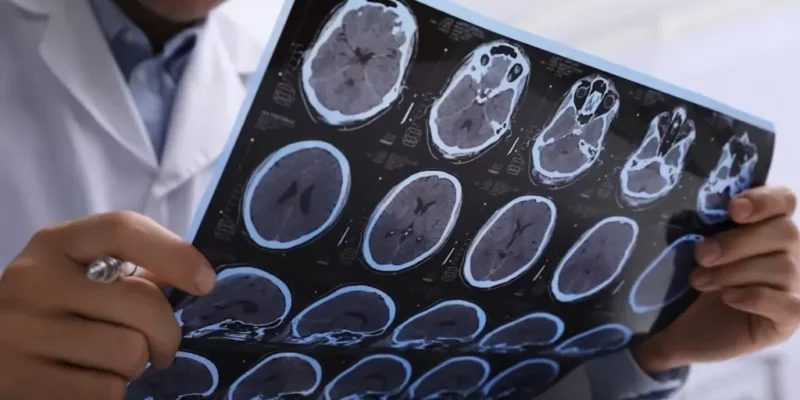
SPECT imaging, or Single Photon Emission Computed Tomography, is integral to contemporary mental health assessments. It enables professionals to visualize blood flow in the brain, showing regions of activity or inactivity that often connect with mental health disorders like schizophrenia. This technique offers a window into brain function, demonstrating how different areas interact and perform. Such insights are vital for understanding the neurophysiology behind behaviors and symptoms.
Those diagnosed with schizophrenia frequently encounter a variety of symptoms, including hallucinations and cognitive impairments. While traditional diagnostic methods largely depend on clinical interviews and observational behaviors, they often fall short. Without a visual representation, how can one accurately identify which brain regions are linked to specific symptoms? That’s precisely where SPECT imaging excels.
- Individualized insights: Each brain scan for schizophrenia treatment produces data unique to the patient’s brain, enhancing diagnosis accuracy.
- Real-time decisions: Pinpointing issues leads to swift adjustments in therapeutic strategies, optimizing treatment plans right from the outset.
- Identifying co-existing issues: Patients often present multiple mental health conditions; SPECT imaging clarifies which areas of the brain are affected, guiding focused treatment.
Research indicates that incorporating SPECT imaging not only boosts diagnostic precision but also improves overall outcomes. By effectively targeting treatment, healthcare providers can significantly decrease the trial-and-error associated with medication management.
How Brain Scans Identify Unique Patient Needs
No two experiences with schizophrenia are the same—it’s as unique as fingerprints. Brain scans reveal specific activity patterns, paving the way for personalized treatment strategies. This process involves gathering crucial data, allowing experts to determine which brain regions show abnormal activity. But what are the implications for patient care?
When disrupted pathways come to light through brain scans, it signals where intervention is most needed. Experts leverage this information for targeted therapeutic interventions, culminating in customized treatment plans. Patients typically receive management strategies tailored to their neurological profiles, steering clear of broader, one-size-fits-all approaches.
- Medications: Figuring out which psychotropic medications work best hinges on understanding brain receptor functions.
- Psychotherapy: Certain therapeutic modalities might resonate more effectively with patients based on their unique brain activity.
- Lifestyle Changes: Knowledge about brain function can prompt practical recommendations, including diet or exercise tailored to boost mental well-being.
Ultimately, brain imaging merges clinical evaluation with technical diagnostics in a way that aids patients and practitioners alike. The real advantage? The scan’s capacity to eliminate guesswork.
Breaking Down the Treatment Process at Amen Clinics
What to Expect During Your Initial Assessment
Entering the world of brain health treatment can be intimidating—particularly for those grappling with schizophrenia. So, what does an initial assessment at a facility like Amen Clinics look like?
The process generally kicks off with a physician reviewing the patient’s personal and psychiatric history. Patients describe their symptoms, experiences, and concerns. Following this, the SPECT imaging procedure takes the spotlight—it’s non-invasive and painless. A tracer injection illuminates brain activity during the scan. In just a few hours, professionals examine the images thoroughly, highlighting areas that warrant further attention.
- Expert analysis: Specialized physicians analyze the brain images in conjunction with psychological evaluations to compile a detailed profile.
- Collaborative discussion: Patients are integrated into the conversation. Their perspectives are vital for tailoring treatment effectively.
- Initial recommendations: After evaluations, specialists offer immediate feedback and begin to devise a strategic action plan.
This initial assessment isn’t merely about gathering data. It’s foundational for fostering a thorough understanding of an individual’s mental health landscape.
Personalized Treatment Plans Tailored to Individual Brain Patterns
Once the analysis is wrapped up, the real work commences. Tailoring treatment plans based on brain scans fundamentally shifts the approach to managing schizophrenia. The strategy emphasizes individual brain activity patterns instead of relying on generalized guidelines.
Consider the implications: instead of trialing various medications that may not align with specific brain activity, the focus pivots to customizing strategies directly aligned with the identified patterns through SPECT imaging. Professionals frequently merge diverse modalities, leading to an interdisciplinary practice that seamlessly integrates pharmacological options, cognitive behavioral therapy, and holistic methods.
- Medication Optimization: Psychotropic medications are prescribed based on accurate neurochemical pathways.
- Therapeutic Options: Some individuals might find art or music therapy beneficial, complementing other treatments.
- Family Involvement: Educating family members fosters a supportive atmosphere, an essential element of treatment.
The ultimate goal is straightforward: achieve the best possible outcomes through a customized and coherent journey that directs every aspect of treatment.
Real-World Success Stories of Brain Imaging in Mental Health
Patients’ Journeys: From Diagnosis to Recovery
Success stories are plentiful when it comes to using brain imaging in treating schizophrenia. A couple of narratives stand out. Consider the case of a patient named John, whose struggle with schizophrenia left him feeling isolated and misunderstood. Traditional therapies provided little relief. A pivotal moment occurred when he underwent a brain scan for schizophrenia treatment.
The insights gained revealed specific brain areas that were less active, which proved to be a crucial revelation. This scan opened avenues for personalized medication that aligned more closely with his profile. With commitment to the plan, John experienced significant improvements over time. He reconnected with family and friends, and his quality of life dramatically improved.
“It was like finding the missing piece of a puzzle. Everything started to make sense.”
This isn’t a unique case. Many individuals have traveled similar paths, sharing tales of renewed hope from targeted treatments informed by brain imaging.
- Increased Productivity: Patients report improved engagement with work and social environments.
- Enhanced Relationships: A deeper understanding of their condition enables families to provide more effective support during recovery.
- Greater Compliance: Personalized plans often result in patients being more engaged and compliant with their treatment protocols.
Expert Insights: Testimonials from Mental Health Professionals
Many mental health professionals echo the sentiment of remarkable success. Testimonials highlight that SPECT imaging greatly enhances their diagnostic processes. Numerous professionals speak enthusiastically about the transformations they’ve witnessed:
One psychiatrist noted, “Using brain scans enables a surgical precision in our assessments. It’s been a game-changer for treating conditions like schizophrenia.” They stress how having a tangible representation of brain function adds depth to treatment protocol formulation.
Experts affirm that SPECT imaging offers a level of clarity that’s often hard to achieve. Reports reveal improved communication, understanding, and trust between practitioners and patients. Building rapport has never been easier with a shared visual reference point to facilitate discussions about care.
- Improved Diagnoses: Increased accuracy means reduced misdiagnoses and more targeted interventions.
- Collaborative Care Models: Professionals from diverse backgrounds find common ground when discussing brain function and treatment.
- Leave No Stone Unturned: Enhanced efficacy encourages the exploration of previously overlooked options.
The future of mental health treatment appears to be deeply rooted in innovation and collaboration.
Future Innovations in Schizophrenia Care with Brain Imaging
Emerging Technologies in Mental Health Treatment
What’s on the horizon in the fast-evolving field of mental health? Exciting advancements are imminent. From AI-assisted diagnostics to breakthroughs in imaging technologies, the sector is buzzing with promise. Consider virtual reality—it’s being tested as both a diagnostic and therapeutic tool.
Cognitive training through VR can address specific deficiencies in real-time, paving new pathways for recovery. Simultaneously, advancements in brain mapping are set to yield increasingly detailed insights that could revolutionize treatment methodologies. Enhanced imaging will enable the identification of brain areas that might have previously gone unnoticed, providing mental health professionals with a clearer trajectory for care.
- Artificial Intelligence: AI can expedite the analysis of brain scans, discerning patterns with unmatched accuracy.
- Telehealth Integration: Virtual consultations are becoming commonplace, allowing patients to access specialized therapy based on their scans without geographical constraints.
- Collaborative Networks: Innovations in inter-clinic communication can enhance data sharing on brain health prior to consultations, leading to more effective treatment strategies.
There’s considerable optimism among mental health professionals regarding these developments. Emerging technologies are set to redefine brain health care—one scan at a time.
How Research Is Shaping the Next Generation of Therapy
Research endeavors focused on neuroimaging and mental health are robust and expanding. Institutions are exploring the connections between brain structure and function as they relate to mental disorders like schizophrenia. Ongoing studies, leveraging the extensive data assembled around brain scans, frequently yield new insights.
This information is being utilized to devise preventive strategies. Early detection through brain imaging will likely become an essential component in the therapeutic puzzle. Hence, the future of therapy will hinge on a deep understanding of not just symptoms but also the brain’s intricate workings.
- Precision Medicine: The path ahead will likely blend genetic insights with imaging data for a holistic approach.
- Integration of Disciplines: Insights from psychology, neuroscience, and therapeutic practices will come together into a cohesive care model.
- Patient Empowerment: Research will encourage patients to play an active role in their health, informed by their brain function data.
This innovative trajectory holds significant promise for individuals affected by schizophrenia, painting a future filled with hope and understanding.
FAQ
How does SPECT imaging compare to traditional diagnostic methods?
SPECT imaging provides clear insights into brain activity that traditional methods can’t match. Whereas clinical interviews often focus on subjective reports, SPECT reveals real-time blood flow patterns, allowing for more accurate diagnoses and personalized treatment strategies.
Can SPECT imaging help in the treatment of other mental health disorders?
Absolutely, SPECT imaging isn’t confined to schizophrenia. It’s also being explored for conditions like bipolar disorder and depression. The ability to visualize brain activity aids in tailoring interventions for a range of mental health challenges, making it a versatile tool.
What role do families play in the treatment process?
Family involvement is vital for providing effective care. Educating family members about a patient’s condition using insights from brain scans fosters a supportive environment. This collaboration is essential for ensuring that loved ones can offer the necessary encouragement and understanding during recovery.
Are there any risks associated with SPECT imaging?
Generally, SPECT imaging is considered safe and non-invasive. The procedure employs a small amount of radioactive material, which professionals regard as safe for diagnostic purposes. Healthcare experts always weigh the risks against potential benefits, making certain patients receive necessary assessments without undue concern.
What should patients do to prepare for a brain scan?
Preparing for a SPECT scan is quite straightforward. Patients typically should discuss any medications they’re on with their healthcare provider. Additionally, specific instructions regarding fasting or avoiding certain foods or drinks before the scan will often be provided for optimal results.
Can SPECT imaging results change over time?
Yes, brain activity can change with treatment and lifestyle adjustments. Regular assessments using SPECT imaging allow healthcare providers to monitor these changes. Ongoing evaluations ensure treatment plans can be modified as patients progress or experience shifts in their condition.
How does the cost of SPECT imaging compare to traditional treatment methods?
The cost of SPECT imaging can vary based on the facility and insurance coverage. However, many find that the investment pays off through more effective treatment outcomes. By minimizing the trial-and-error period with targeted therapies, long-term savings on healthcare expenses can often be realized.
What advancements can be expected in brain imaging technology?
Emerging technologies promise a brighter future for brain imaging. Innovations such as AI-assisted analysis and enhanced imaging techniques are on the way. These advancements are set to boost diagnostic precision, making brain scans even more accessible and effective in treating mental health issues.